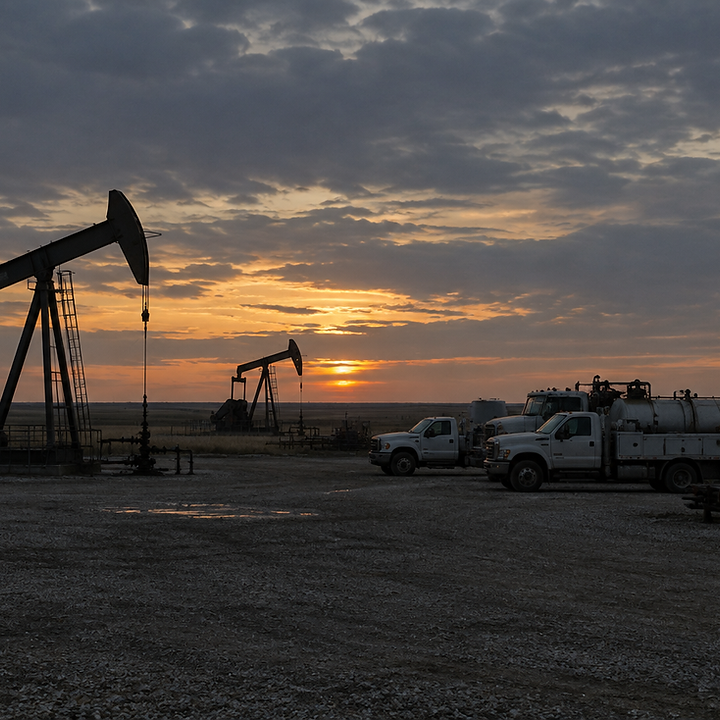
Alberta's commercial economy is built on things taken out of the ground, grown on it, or built on top of it. Energy services, agriculture, construction and the trucking that connects them all invoice other businesses, and all of them live with payment cycles they do not set.
Energy services and the invoice trail
Oil and gas service companies invoice for work performed at a wellsite, along a pipeline right of way or inside a facility. The invoice rests on field tickets signed by the customer's representative, and usually on a purchase order raised before the work began.
When a ticket is unsigned, a rate is questioned or a purchase order was never issued, payment waits. That makes documentation discipline the single most important factor in how quickly a service company is paid, and it is the first thing a funding provider examines.
Agriculture and the harvest
Agriculture runs in cycles. Grain, cattle, inputs and equipment move in concentrated periods, and a business can be cash rich and cash poor within the same year. Aerial application, custom seeding, hauling and agricultural retail all invoice around those windows, often to customers who settle after their own crop is sold.
Factoring does not remove seasonality. What it can do is shorten the wait between delivering a service and being paid for it, which matters most in the weeks before a season begins.
Construction and holdbacks
Construction invoicing moves through progress claims. A contractor claims for work completed in a period, the consultant certifies it, and a portion is held back until the work is certified complete. On a long project, that holdback can represent a meaningful amount of money sitting outside the contractor's reach.
Subcontractors carry a second layer of exposure, since their payment often depends on the general contractor being paid first. A provider buying construction paper will want to understand both the certification process and where the contractor sits in the payment chain.
Trucking on the long corridors
Alberta carriers run to British Columbia ports, south to the border and east across the prairie. Fuel is bought weekly, drivers are paid on schedule, and invoices follow delivery paperwork that may take days to reach the office. The result is a familiar squeeze, and it is why freight is one of the trades where factoring is most established.
What providers review
- Signed field tickets, purchase orders and delivery records.
- The customer's payment reputation, which varies widely in energy services.
- Whether work is billed monthly or held until a project stage closes.
- Seasonal patterns in revenue, and how they affect the quiet months.
- Any holdback or retention that will not be collected with the main claim.
Related guides
The city economies are covered in the Calgary and Edmonton guides. For the trades, read oil and gas services, construction and trucking and freight. All arrangements are compared under factoring types.