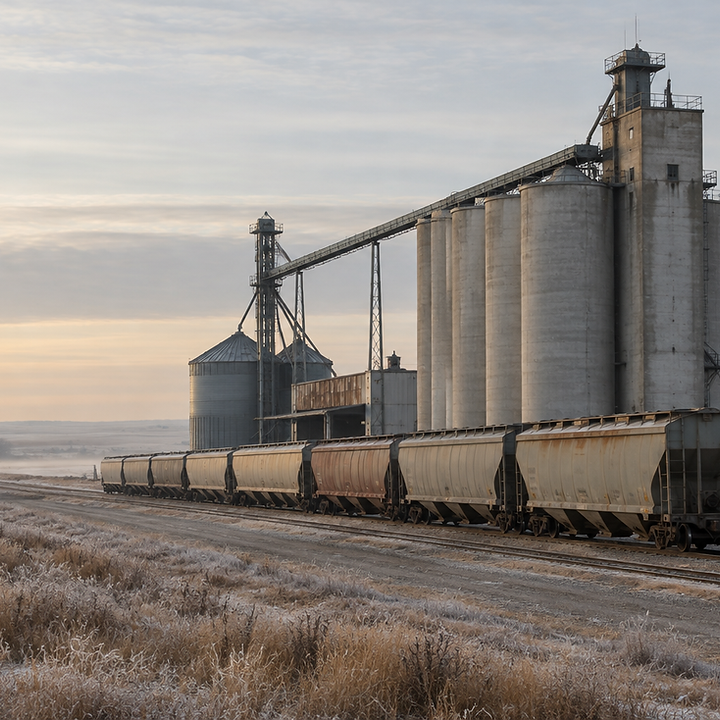
Manitoba sits where the prairie meets the rail network. Grain and food processing, transport and a set of specialised manufacturers all invoice other businesses, and most of them sell outside the province as much as inside it.
Agri-food and the processing corridor
Agriculture in Manitoba extends well past the farm gate. Grain handling, feed, protein processing, baking, beverage production and packaging all sit along a corridor that runs from the Red River Valley outward. These businesses buy inputs before they sell output, which means the cash gap opens long before an invoice is issued.
When the customer is a retailer or a distributor, deductions are part of the relationship: promotion allowances, listing costs, short shipments. A provider buying this paper will want to see how those deductions have behaved historically, since they reduce what is ultimately collected.
Trucking and the north south run
Manitoba carriers run east and west across the Trans-Canada, but a large share of their work goes south through the Emerson crossing toward Minneapolis and Chicago. Cross border freight brings its own paperwork, its own customs process and, often, a customer paid in US dollars.
For a carrier, the pattern is familiar: fuel and wages are immediate, and the invoice waits on a broker or a shipper's payment run. Factoring shortens that wait, provided the paperwork stands up.
Specialty manufacturing
Winnipeg and the surrounding region host manufacturers that few people associate with the province: bus and specialty vehicle bodies, composites and aerospace components, agricultural equipment, food processing machinery and industrial products. Many sell to large customers outside Manitoba, and those customers set the terms.
Programme work in these sectors often runs for years, with progress claims and inspection sign offs. A funding provider will want to see acceptance records before it treats a claim as collectable.
A small market with concentrated customers
Manitoba's business community is compact. Relationships are direct, and a company may depend on a handful of large customers for most of its revenue. That concentration is the main thing a provider will weigh, because a single slow payer can affect the whole arrangement.
It also means references travel quickly. A provider working in the province will usually know the buyers involved, which can shorten the questions it needs to ask you.
What a provider reviews
- The customer base and how much revenue rests on any one account.
- Delivery records, scale tickets and inspection sign offs.
- Deduction history on retail and distributor invoices.
- Cross border paperwork and currency on US bound freight.
- Your own accounts, particularly where revenue is seasonal.
Related guides
For the city economy, read the Winnipeg guide. Trade context sits in manufacturing, wholesale and distribution and factoring types. The process itself is explained in how invoice factoring works.