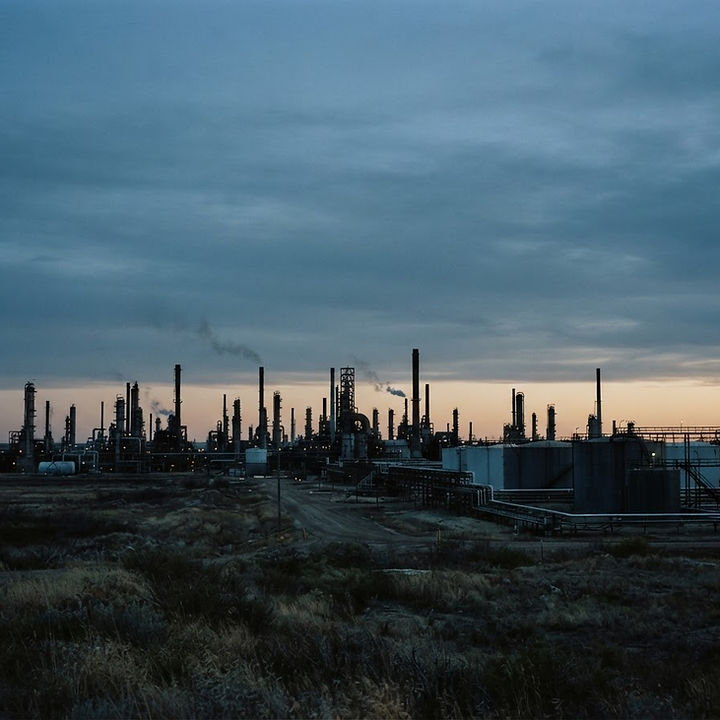
Edmonton works for a living. The refineries and petrochemical plants northeast of the city, the service companies that support drilling and production, and the contractors who build and maintain all of it make this the most industrial commercial economy in the country.
The industrial heartland
The concentration of processing plants outside Edmonton creates a distinct kind of invoicing. Maintenance contractors, scaffolding firms, mechanical and electrical trades, inspection services, industrial cleaning and equipment rental all work inside operating facilities, and all invoice for labour, equipment and materials against a purchase order.
Access rules matter here. A contractor's staff need site orientation and clearance, and the paperwork that records hours is signed inside the plant. When that paperwork is incomplete, the invoice cannot be substantiated, and substantiation is what a customer's accounts payable team needs before releasing payment.
Shutdowns and turnarounds
A turnaround compresses months of maintenance into a few weeks. Hundreds of workers arrive, the plant stops, and the contractor's costs accumulate at speed. Invoices follow the shutdown, and they are large relative to the contractor's normal billing, which is exactly when a gap between completing the work and being paid becomes difficult to carry.
Oilfield services and the drilling season
Drilling and well servicing activity clusters in the colder months, when ground conditions allow movement. Service companies hire, mobilize equipment and buy consumables before that work begins, then invoice as it is completed. The result is a timing gap that repeats every year, not a sign that the business is failing.
Construction and public projects
Edmonton's construction market includes commercial buildings, infrastructure and a steady volume of public work. Progress claims are certified, holdbacks are retained, and payment moves through a chain that starts with the owner. Subcontractors near the bottom of that chain wait longest, which is where factoring most often appears.
What a provider reviews
- Signed tickets, purchase orders and completion sign offs.
- Access and orientation records where site rules require them.
- Whether invoices are concentrated around a seasonal or shutdown cycle.
- Certification and holdback terms on construction claims.
- The customer's payment reputation inside the industrial sector.
Getting paid without stopping the work
A contractor that pauses work to chase a payment stops earning. That is the practical argument for factoring in a market where the work is available but the payment is slow. The arrangement does not create more work. It means the work already completed stops being a reason to turn down the next job.
Related guides
The provincial picture is in the Alberta guide, and the corporate side of the industry in Calgary. Trade context sits in oil and gas services, construction and commercial cleaning. All arrangements are compared under factoring types.