British Columbia's commercial economy leans on things that move through a port, come off a hillside, or are built on a tight urban footprint. Each of those produces invoices on its own rhythm, and each leaves a business waiting in a different way.
Container logistics and drayage
The port complex around Vancouver handles an enormous volume of containers, and a whole layer of businesses exists to move and document them. Drayage companies, customs brokers, freight forwarders and warehousing operators invoice for each movement, often against a rate confirmation and a terminal record.
This work generates disputes of a particular kind. Detention, chassis fees and terminal charges can be argued over long after the container has moved, and a customer may pay the base freight while withholding the accessorials. A provider buying this paper will separate the two and ask how you document the charges you are claiming.
Suppliers to film and television
Production brings a surge of spending into a city for a few months at a time. Rental houses, set construction, transport, catering, security and equipment suppliers all invoice the production, and payment often settles when the production's own financing cycle allows.
The difficulty is that a production is frequently a temporary company formed for one project. A funding provider needs a customer it can assess and, if necessary, pursue, so it will look at the studio or production service company standing behind the contract. Invoices to established studios are treated very differently from invoices to a single purpose entity.
Forestry and value added wood
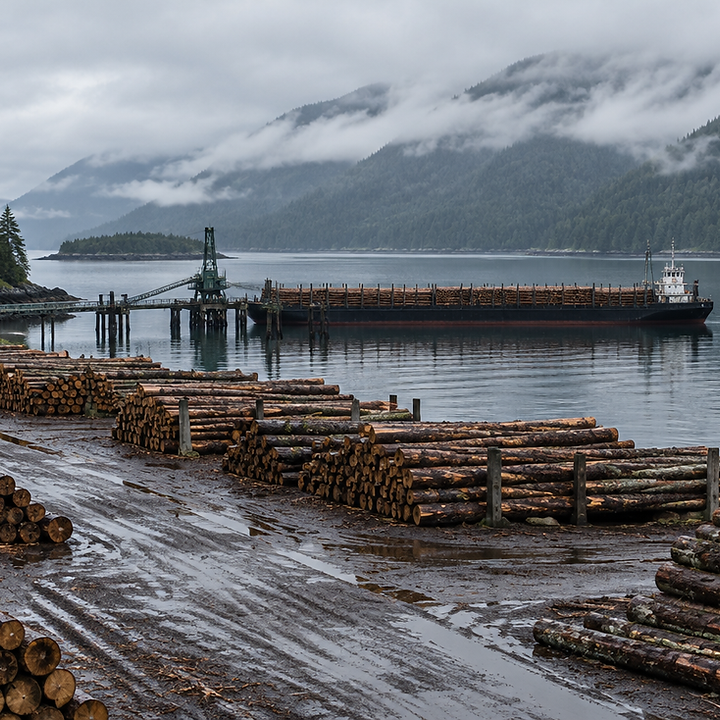
Coastal and interior forestry produce a long chain of commercial invoices: harvesting, hauling, sawmilling, remanufacturing, treatment and shipping. Harvest seasons and mill schedules create concentrated billing periods, and hauling contractors often invoice by volume or by trip.
Cross border lumber trade adds a layer of paperwork that can delay settlement, and scale tickets, load records and mill receipts are the documents a provider will want to see.
Construction and the trades
In the Lower Mainland, construction runs continuously and subcontractors invoice through progress claims, with holdbacks retained until work is certified. Material suppliers, formwork, glazing, mechanical and electrical trades all sit in the same payment chain, and their cash position depends on how quickly claims move through it.
What a provider reviews
- Rate confirmations, terminal records and delivery documentation.
- The financial standing of the customer behind a production or a project.
- How accessorial charges and detention are documented and billed.
- Whether invoices are cross border, and in which currency.
- Holdbacks and retention that will not be collected with the main claim.
Related guides
For the city economy, read the Vancouver guide, and for the prairie side of the same trades, Alberta. Trade context sits in trucking and freight, construction and factoring types.